

Winter Pest Control tips to keep pests out of homes
Could your home be attracting cold-season pests without you noticing? As temperatures fall, bugs and mice rush toward indoor heat. They slip in through small openings, hidden damp spots, or old food smells. The best protection isn’t removing crawling species later’s stopping their entry, ease, and survival needs early. Experts apply a simple rule to protect the home’s structure, break conditions that attract insects, and remove weak points. This guide shares proven methods to reduce winter pest risks while keeping your home safe without turning it into a hidden shelter for pests.
1. Seal Hidden Structural Gaps
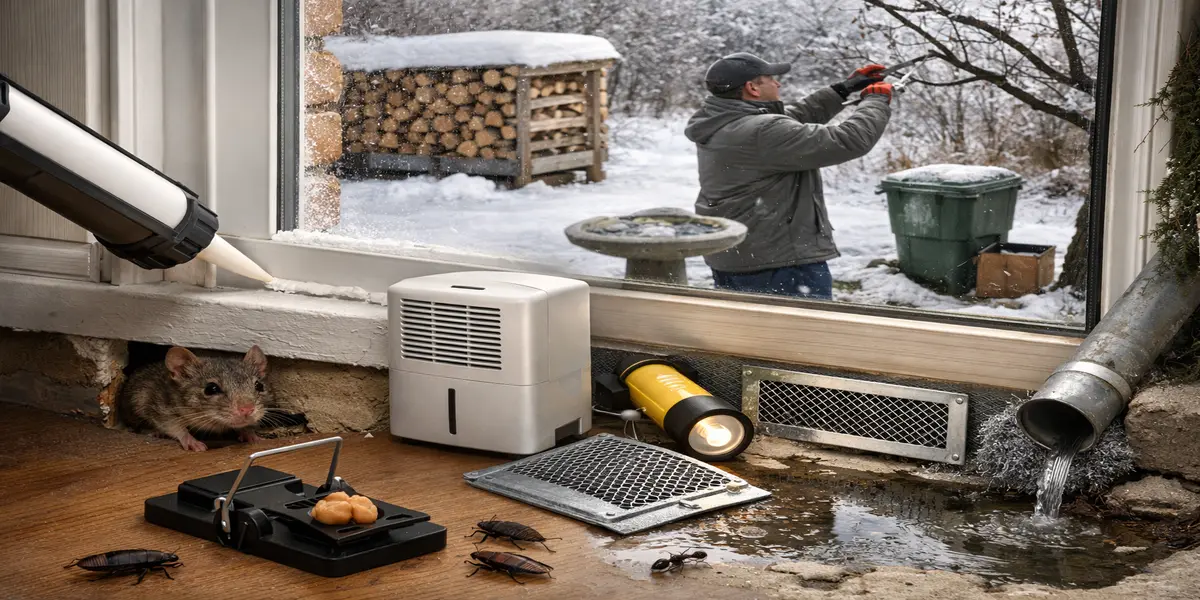
Crawling species exploit cracks you ignore. An expert crew always starts by checking window edges, wall seams, attic gaps, doors, and pipe openings. A tiny crack is enough for bugs to enter. Close smooth gaps with silicone filler. Pack pipe or ground holes with metal wool since rodents can’t bite it. Add door strips to stop insects from crawling in. Roof spaces attract outdoor insects like stink bugs and cluster flies, so fix them fast. Seal early to keep them out. Sealing removes most pest pressure instantly and stops invasion cycles before colonies form inside walls.
2. Control Water Access and Humidity
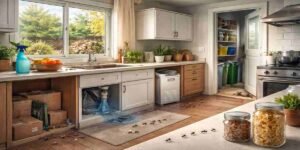
Heat sources spaces don’t lure bugs much; humid, warm spaces do. Stop drips, wipe condensation, and kill damp pockets fast. Cap humidity at under safe limits. Leave no wet surfaces overnight, dry the room, starve their water trail.
- Use dehumidifiers in closed rooms
- Wipe sink edges after use
- Wash the drain with hot water
This step stops roaches and other insects from breeding. The aim is to keep your home warm but dry, not wet. Poor water control attracts pests, even if you don’t see them. Moisture issues attract bugs fast. Fix them early to keep insects out of your home.
3. Manage the Outdoor Perimeter
Indoor defense is weak if outside pressure is high. Trim tree branches away from roofs. Remove wood piles, leaf debris, or brick stacks near walls. Keep outdoor lights yellow-toned because white lights pull insects in like magnets.
- Drain standing water near the entry
- Remove soil clutter near walls
- Keep dustbins closed outside
Outdoor hygiene reduces indoor invasion pressure. This stops pests from stacking at the boundary and searching for warmth inside. The perimeter is your first filter; treat it like one.
4. Heat the House, Not the Walls
Heating systems should heat sources, living zones, not structural cavities. Seal vent gaps and add mesh screens so insects don’t travel through ducts. Rodents sometimes treat thermal comfort ducts like highways, so screen them properly. Attic insulation must stay tight without openings. Heat imbalance inside walls warms hidden pest nests silently. Professionals maintain heating zone air for residents but cold boundaries for structures. Controlled heating zone reduces dependency on constant interference and keeps internal systems intact without inviting colonies.
5. Use Traps Only for the Leftovers
Sticky traps or snap traps work only after sealing, humidity control, outdoor hygiene, and sanitation resets. Place them near entry points, not randomly around the house. Random traps are emotional moves, not strategic. Professionals deploy traps as confirmation tools, not primary systems. This avoids trap fatigue and unnecessary replacements. Use peanut butter for rodents and mild sugar baits for ants if needed. But traps don’t fix access failure; they only catch what slipped through a weak defence.
6. Monitor Weekly, Adjust Fast
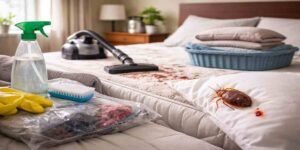
Check seals, droppings, humidity spikes, or insect movement weekly. Reset sanitation trails, tighten outdoor soil beds if pests gather again outside. Vacuum floor edges and flush drains weekly to break odor loops. Monitoring prevents assuming success too early. If signs return, tighten the system, not your emotions. The professional team treats monitoring as a cycle, not a checkpoint. Weekly inspection keeps bugs unstable and ensures colonies don’t get time to form roots inside your home’s defence system.
Conclusion
Pest defense is about sealing access, controlling moisture, removing food windows, resetting scent trails, and managing the outdoor perimeter before infestation pressure stacks. Traps and natural sprays support the system but never replace it. The biggest homeowner blind spot is reacting to visible insects instead of fixing invisible entry and humidity issues. To verify success, check the soil near walls, roof gaps, and humidity depth weekly. The right actions restore balance, build resilience, and keep your home warm for you, but permanently hostile for pests. A timely window upgrade strengthens insulation and removes hidden entry points pests rely on.